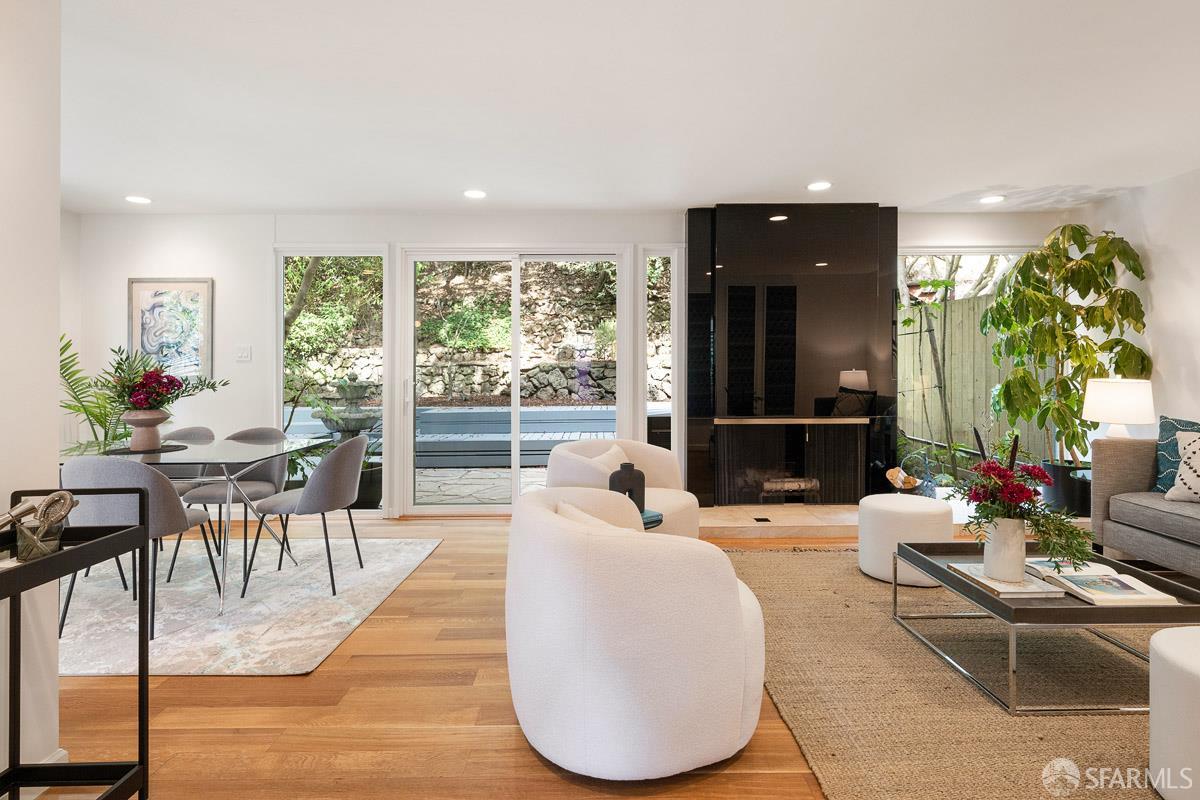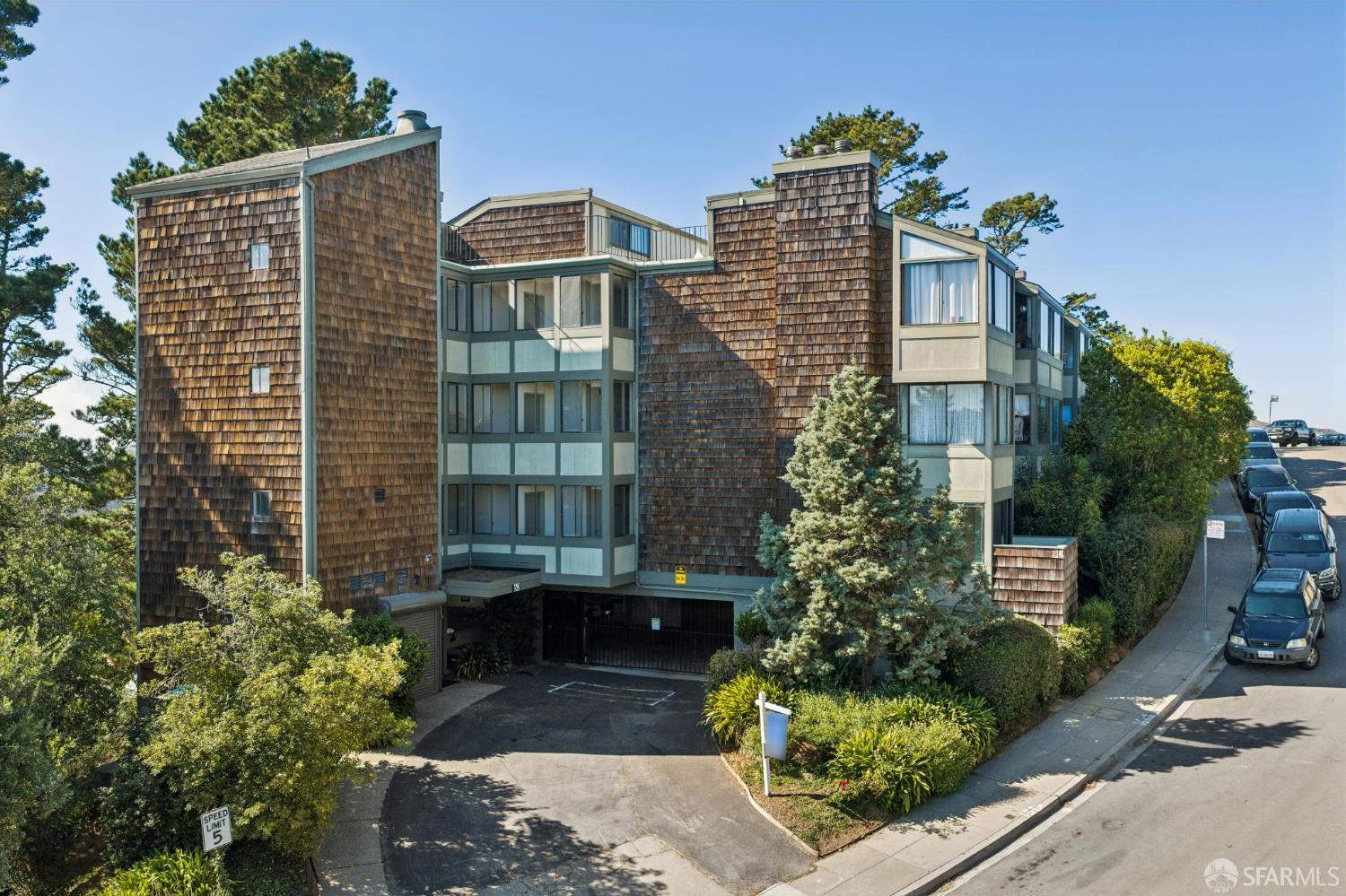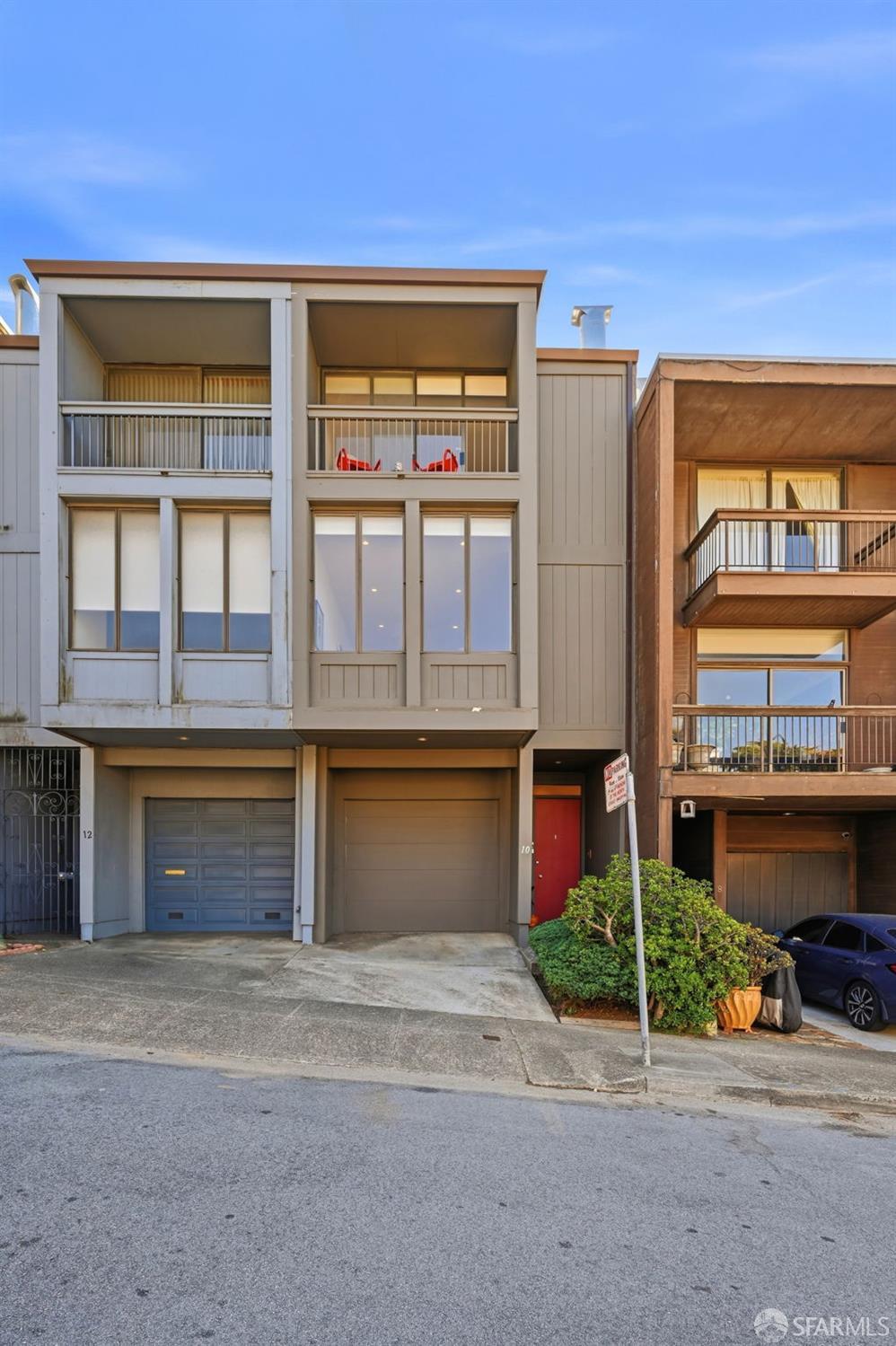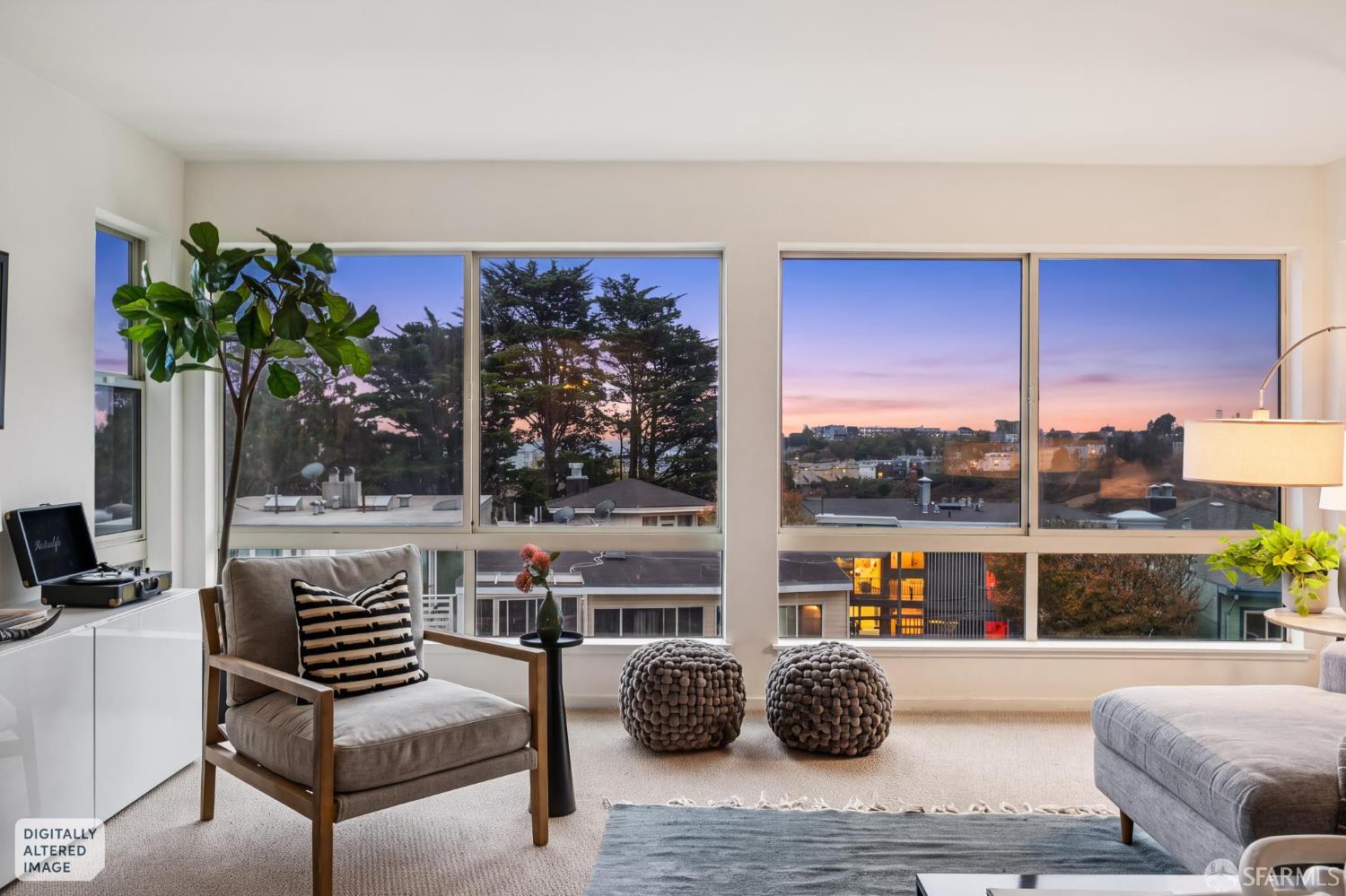
Diamond Heights is home to the expansive outdoor space of Glen Canyon Park, flanked by two residential pockets on the hills at its northern and southeastern edges.
A relative latecomer in San Francisco's neighborhood story, Diamond Heights didn't take shape until the 1960s, born out of the post-war housing boom. It was the very first project for the San Francisco Planning and Urban Research Association, whose approach was to build around a site's existing character — in this case, the two hills that still define the neighborhood today. Many of the homes built here in the 1960s, including some multi-unit rentals, remain with their original owners.
The neighborhood's one main commercial hub sits on Diamond Heights Boulevard, covering most residents' everyday needs. Thanks to its central location, Diamond Heights offers a quiet, small-town feel with sweeping views, while a short bus ride or drive puts residents in Noe Valley or Glen Park for a livelier, more urban scene.
The neighborhood's biggest draw is Glen Canyon Park, with 63 acres officially designated as undeveloped natural area — a rare glimpse of what this part of the city looked like before large-scale development reshaped it.
Tucked away and surrounded by nature, Diamond Heights offers peaceful, view-filled residential living just minutes from everything the city has to offer.
2,824 people live in Diamond Heights, where the median age is 42 and the average individual income is $121,160. Data provided by the U.S. Census Bureau.
Total Population
Median Age
Population Density Population Density This is the number of people per square mile in a neighborhood.
Average individual Income
Diamond Heights has 1,508 households, with an average household size of 2. Data provided by the U.S. Census Bureau. Here’s what the people living in Diamond Heights do for work — and how long it takes them to get there. Data provided by the U.S. Census Bureau. 2,824 people call Diamond Heights home. The population density is 14,939 and the largest age group is Data provided by the U.S. Census Bureau.
Total Population
Population Density Population Density This is the number of people per square mile in a neighborhood.
Median Age
Men vs Women
Population by Age Group
0-9 Years
10-17 Years
18-24 Years
25-64 Years
65-74 Years
75+ Years
Education Level
Total Households
Average Household Size
Average individual Income
Households with Children
With Children:
Without Children:
Marital Status
Blue vs White Collar Workers
Blue Collar:
White Collar:
Other Communities
Browse things to do, places to see, and nearby landmarks to explore.
With deep roots across Northern California and the backing of a global powerhouse, our team delivers tailored service with unmatched insight.